Specialist Tree Solutions: Boost Your Landscape's Vitality and Appeal
Expert tree services are crucial for maintaining the health and beauty of outdoor spaces. These professionals offer a range of services, from pruning to disease evaluation. Their work not only enhances the aesthetic appeal of landscapes but also guarantees the safety of the environment. However, many homeowners ignore the significance of regular tree care. Understanding its impact can lead to a more vibrant and sustainable landscape, encouraging further exploration of the topic.
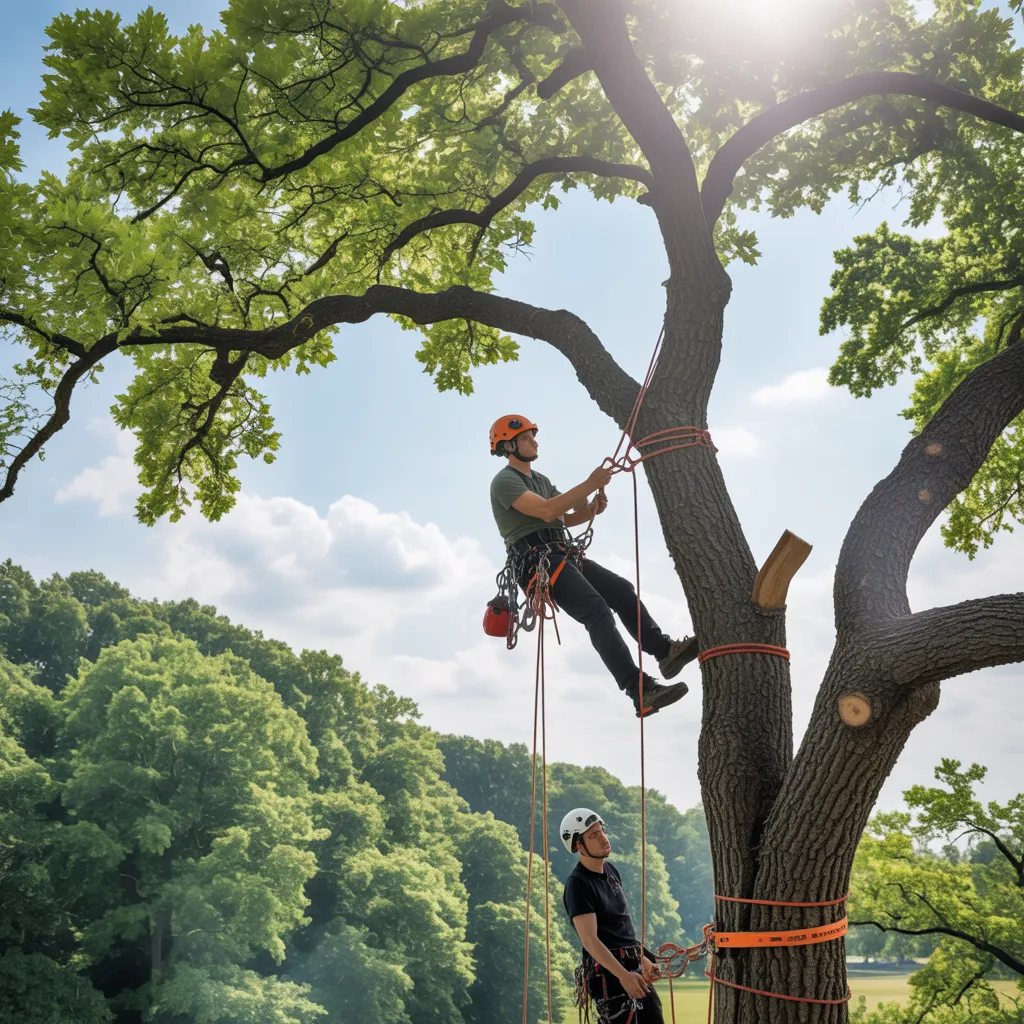
The Importance of Professional Tree Care
Expert tree care is essential for maintaining the health and safety of both residential and commercial areas. Trees provide significant benefits to the environment by boosting air quality, offering shade, and enhancing aesthetic appeal. Regular upkeep ensures that trees remain vigorous and durable against pests, diseases, and harsh weather. Ignoring tree care can result in dangerous situations, such as falling limbs or uprooted trees, posing threats to people and property. Moreover, properly maintained trees can raise property value and curb appeal, making professional tree care a smart investment for homeowners and businesses. Skilled arborists have the knowledge to evaluate tree health, suggest proper care practices, and carry them out safely. By prioritizing professional tree care, property owners can cultivate a healthier landscape, encourage biodiversity, and create a more pleasant outdoor environment for all. Thus, investing in these services is both wise and critical for the evaluation long-term vitality of landscapes.
Standard Tree Maintenance Services Accessible
Tree services cover a selection of important tasks that enhance tree health and safety. Among these, tree pruning techniques are vital for sustaining structure and promoting growth, while stump removal solutions handle the remnants of felled trees. Knowing these services helps homeowners make knowledgeable decisions about their landscape management.
Tree Cutting Methods
Pruning strengthens the health and beauty of trees, making it an important activity for maintaining their vigor. Various methods are used by tree service practitioners to achieve ideal results. Thinning involves selectively removing branches to increase light penetration and air circulation, which minimizes the risk of disease. Crown reduction is another method that lowers the height of a tree while retaining its natural shape, avoiding potential hazards. Deadwooding targets the removal of dead or dying branches, promoting overall tree health. Additionally, formative pruning shapes young trees to confirm strong structure and growth. Each method is tailored to the specific species and condition of the tree, guaranteeing a balanced approach to landscape advancement and longevity.
Stump Extraction Options
After pruning, the subsequent phase in caring for a healthy landscape typically requires addressing tree stumps left behind. Stump removal is an critical offering delivered by tree care professionals, as leftover stumps can hinder growth, draw in pests, and pose safety hazards. Multiple methods are employed for stump removal, including grinding, which reduces the stump to wood chips, and complete extraction, which removes the stump and roots completely. Each method has its benefits, depending on the size of the stump and the adjacent landscape. Additionally, experts often provide replanting solutions to fill the void created by the stump, enhancing the aesthetic appeal of the area. Overall, stump removal is a crucial component of landscape care that fosters a improved environment.
Advantages of Consistent Tree Maintenance
Routine arboricultural upkeep delivers substantial benefits, featuring enhanced tree vitality and elevated aesthetic appeal. By tackling issues including pruning and disease control, trees can flourish and resist environmental stressors. Additionally, properly cared-for trees contribute positively to the general aesthetics of landscapes, increasing property value and neighborhood contentment.
Enhanced Tree Vitality
Routine maintenance is essential for improving tree condition and significance. Regular pruning removes dead or diseased branches, which can stop the spread of infections and pests. This process encourages healthy growth by allowing sunlight and air to flow through the canopy, promoting photosynthesis. Moreover, routine inspections can detect early signs of disease or stress, allowing timely actions that can save a tree's life. Fertilization and adequate watering, key elements of maintenance, ensure that trees receive vital nutrients and hydration, supporting their overall vitality. In addition, mulching helps conserve soil moisture and controls temperature, creating a favorable environment for root development. Collectively, these practices greatly enhance the longevity and strength of trees, fostering a healthier landscape.
Improved Visual Beauty
A well-maintained tree can significantly boost the visual appeal of any landscape. Regular tree maintenance, including cutting back, trimming, and disease control, guarantees that trees stay healthy and attractive. Pruning helps in shaping the tree, promoting a harmonious and appealing outline while removing dead or unhealthy branches. Besides that, healthy trees provide vibrant foliage and seasonal colors, enriching the overall appearance. Well-kept trees act as focal points, adding character and structure to gardens and yards. Also, the thoughtful placement of trees can create inviting pathways and shaded areas, enhancing outdoor practical use. Thus, investing in routine tree care not only promotes health but also significantly elevates the beauty and charm of a landscape, making it more appealing to residents and visitors alike.
Determining the Time to Contact a Specialist
create threats and should be assessed by an expert. Homeowners should also seek help
The Technique for Tree Elimination and Replacement
Homeowners may sometimes requiring to take down a tree for different causes, including hazard prevention and landscape redesign. The process of tree removal usually commences with a thorough assessment by qualified personnel, who examine the tree's health, location, and immediate surroundings. If removal is deemed necessary, the team will organize by securing the area, ensuring safety measures are in place to protect both people and property.
Once preparations are complete, the takedown procedure involves cutting the tree down in a controlled manner, evaluating factors such as wind direction and surrounding structures. After the tree is felled, the stump is often ground down or removed entirely to allow for new outdoor design.
Once the elimination is complete, homeowners can opt to install a more appropriate species as a replacement. This substitution procedure demands choosing a strong specimen that matches the landscape's design and ecological needs, furthering both aesthetic appeal and environmental health.
Determining the Appropriate Tree Service Expert
How can you recognize a trustworthy tree service provider among numerous options? The initial action is to ask for referrals from friends or family, as direct feedback often provide reliable insights. Next, people should check qualifications, making sure that the provider is properly licensed and covered by insurance; this safeguards both the homeowner and the service team from potential liabilities.
Moreover, studying online reviews can disclose the provider's reputation within the community. A reputable tree service will typically supply free estimates and detailed consultations, allowing clients to grasp the scope of work.
It is also vital to investigate the company's experience and qualifications, notably in handling particular tree care challenges. Finally, clear contract terms and transparent pricing structure can better reflect professionalism and reliability. By implementing these suggestions, individuals can make informed decisions, leading to healthier landscapes and enhanced beauty.
Frequently Asked Questions
How Much Will Qualified Tree Services Generally Expense You?
Professional tree services generally range between $200 to $2,000, depending on factors like tree size, type of service, and location. Homeowners should obtain multiple quotes to ensure competitive pricing and quality service.
Are Tree Service Providers Insured and Licensed?
Most reputable tree care providers are required to be insured and licensed to operate within legal bounds. This ensures protection for both workers and clients, minimizing exposure to risk and ensuring compliance to industry standards and safety requirements during work executed.
What Represents the Ideal Timeframe of Year for Tree Trimming?
The optimal season for tree trimming takes effect during late winter or early spring, ahead of new growth begins. This timing encourages healthy growth, limits stress on the tree, and provides ideal view of the tree's form.
Can Tree Services Offer Pest Management Support?
Yes, tree services can help with managing pests by identifying infestations, recommending treatment options, and managing tree health. Their expertise ensures effective pest management, which protects both trees and the surrounding landscape from likely damage.
How Do I Prepare My Home Ready for Tree Services?
To prepare a property for tree work, one should clear the area of debris, guarantee easy access for equipment, notify adjacent residents, and keep pets inside. Proper preparation enhances safety and productivity during the tree maintenance procedure.